

 Wisconsin
 Illinois
 Indiana
 Ohio
Ohio
 Michigan


Midwest Migratory Birds
Millions of migratory birds are using TNC sites to rest and refuel as they migrate through the Midwest.

From windswept prairies to shimmering Great Lakes shorelines, this road trip invites you to slow down, explore and reconnect with nature. Let’s go!
This page offers a snapshot view of 10 must-visit preserves in the Midwest for any road trip—whether you're staying close to home or venturing out for the long haul. To skip to a particular state, click the anchor links above or use these jump links to the other sections.
Imagine a road trip where every stop reveals a different awe-inspiring landscape, from windswept prairies to peaceful wetlands and rugged lake shores—all without leaving the Midwest.
Across the Heartland, protected lands are bursting with wildlife, wildflowers, rocky cliffs and lush forests. Whether you want to hike, birdwatch, or simply unplug, TNC's nature preserves in the Midwest make an excellent excuse for a road trip any time of the year.
So, pack your bags and head out to experience some of the most breathtaking and often overlooked natural landscapes in the region—all places we're working hard to protect.
There’s no single path to explore the Midwest’s natural beauty, but we've highlighted a couple of preserves in each state to inspire your journey into nature. Click on the flashing dots for a sneak peek at each preserve.
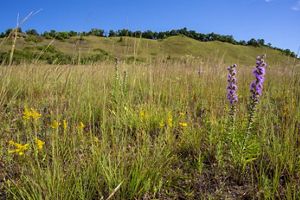
Known as the “Wisconsin desert,” this dry bluff prairie features sandy soils that support prickly pear cactus, a variety of wildflowers, tir beetles, pocket gophers, and more.
Created by glaciers long ago, Lulu Lake is a kettle lake and one of Wisconsin's highest-quality natural areas.
Consisting of 4,000 acres of restored, remnant prairie, Nachusa Grasslands Preserve is home diverse native wildlife, including a herd of bison.
Emiquon’s 6,000-acre restored floodplain, wetlands and prairies are a must-visit spot for birders during the spring and fall migrations.
At the end of summer every year, the community of East Chicago and TNC host a free festival celebrating monarch butterflies.
Go bison spotting, bird watching or just hike to immerse yourself in nature at the Efroymson Prairie at Kankakee Sands in Indiana.
If you're looking to explore habitats that include woodlands, prairies, waterfalls, streams and more, then head to The Richard and Lucile Durrell Edge of Appalachia Preserve System in the Appalachian foothills of southern Ohio.
At over 2,000 acres, Morgan Swamp is one of the largest protected wetland communities in Ohio. It also offers adventures for all ages and interests, including hiking, kayaking and a playground.
Located on North Maumee Bay, Erie Marsh Preserve is one of the largest coastal wetlands on Lake Erie and a birding hotspot for spring and fall migrations.
Protecting a large expanse of forest on and near the Lake Huron shoreline in Michigan, Carl A. Gerstacker Nature Preserve is a haven for migratory bird and year-round birds, osprey, beavers, wolves and other wildlife.

 RETURN
Don’t let the adventure end—sign up for Nature News and get stories on wildlife, wild places and conservation wins. No gas money required!
Sign Me Up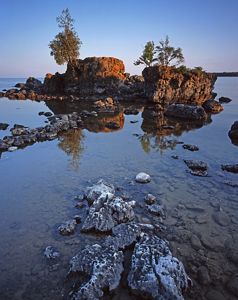



Carl A. Gerstacker Preserve: Featuring one of the most scenic limestone bedrock shorelines in Michigan, this preserve protects a large expanse of forest along Lake Huron. © Ron Leonetti
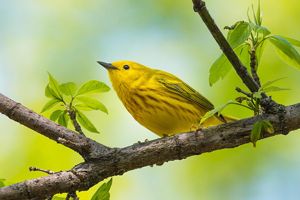
Yellow Warbler: Erie Marsh in Michigan is a prime stopover site for migratory warblers, waterfowl and other birds in the spring and fall. © Sheen Watkins
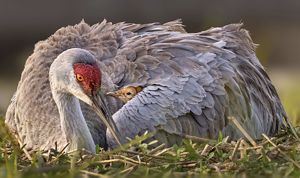
Sandhill Cranes: These tall cranes nest around Lulu Lake, raising their young here each summer. © Robert Gloeckner/TNC Photo Contest 2023
Spring Green Preserve: Known as the Wisconsin desert, Spring Green Preserve is a land of dry prairies, sand dunes, cactus and lizards. © John A. Harrington
American Beaver: In Illinois, Emiquon's 6,000 acres of restored floodplain and wetlands are home to diverse wildlife, like the American beaver. © David Venable
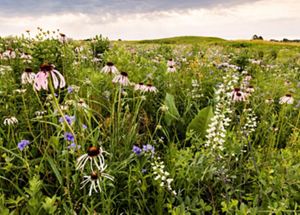
Nachusa Grasslands: The restored prairie at Nachusa Grasslands in Illinois features more than 700 native plant species. © Dee Hudson/The Nature Conservancy
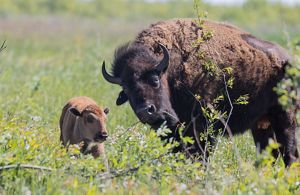
Bison: In Indiana, you can visit the bison viewing area at Kankakee Sands to spot the preserve's herd of more than 100 bison. © Michael Quigley
Festival de la Monarca: Each year in East Chicago, Indiana, the community celebrates monarch butterflies and their incredible 3,000 mile migration south to Mexico. © Michael R. Jeffords
Edge of Appalachia: In southern Ohio, the Edge of Appalchia Preserve protects more than 21,000 acres of forest, prairie, waterfalls, rocky outcrops and streams in the Appalachian foothills. © Dana Ohman/TNC
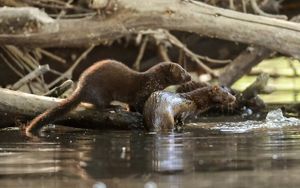
American Mink: The forested wetlands of Morgan Swamp Preserve in Ohio are the ideal home for the inquistive and fierce American mink. © Banu R/iStock
In Wisconsin, take a trip to visit the state’s desert, followed by a visit to a pristine kettle lake.


Now we head to Illinois to visit a restored prairie that's home to a herd of bison, followed by TNC's largest preserve in the state.
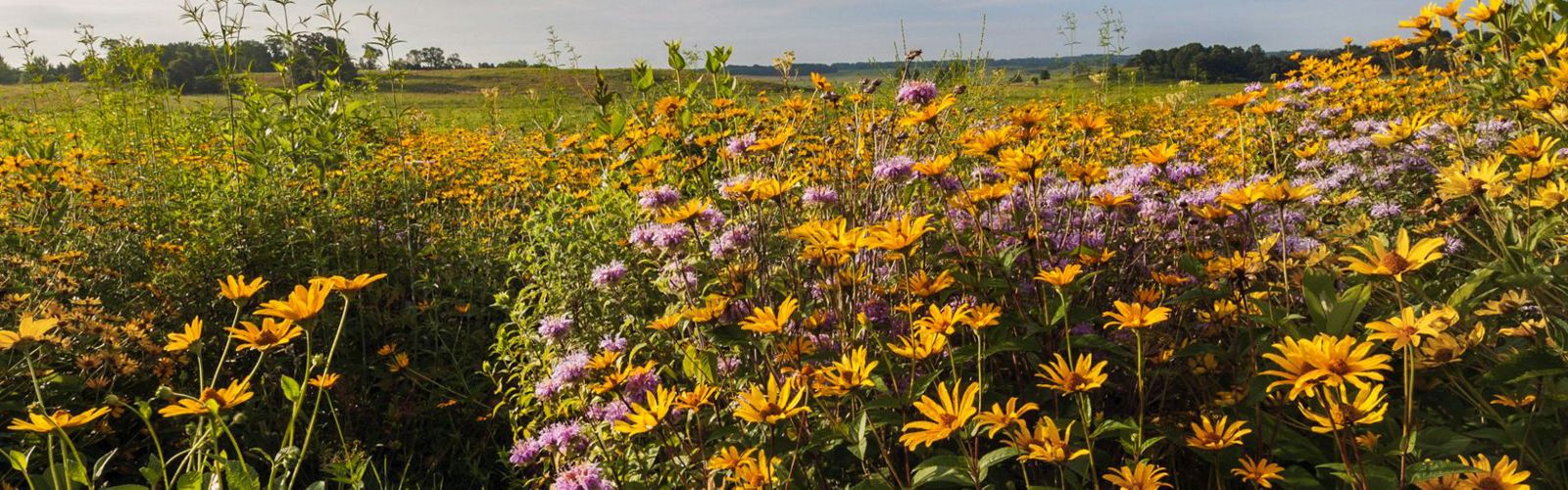


In Indiana, we're off to explore a festival celebrating the monarch butterfly and visit prairies and wetlands where bison roam.


In Ohio, we'll visit the expansive vistas of the Appalachian foothills, then head north to explore a 12,000-year-old Great Lakes wetland community.


In Michigan, we'll explore a birder's paradise followed by a visit to the spectacular rocky shorelines at the northern tip of Lake Huron.


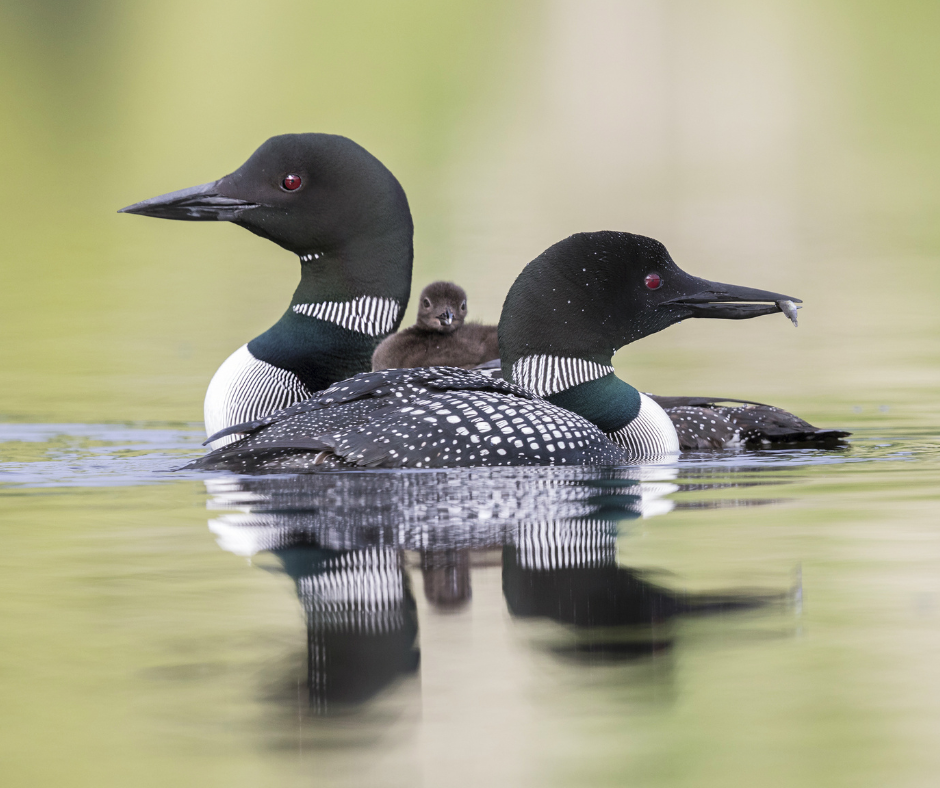
Dive into more Midwest wonders, from serene lakeshores to tallgrass prairies, through these stories.

The Nature Conservancy’s mission is to protect the lands and waters on which all life depends, and for more than 65 years, we’ve been working in the Great Lakes to do just that.

The Great Lakes Northwoods are a critically important landscape that filters and provides high-quality freshwater, maintains species biodiversity and naturally stores carbon.

Wetlands support an incredible diversity of life. Yet they’re in danger: in some states, as much as 90% of wetlands have been destroyed.


