
interstitialRedirectModalTitle

interstitialRedirectModalMessage

Places We Protect

Sheldrick Forest Preserve

New Hampshire

A close up of bark on large pine trees.
Sheldrick Forest Old growth at Sheldrick Forest Preserve in Wilton, New Hampshire. © Eric Aldrich/The Nature Conservancy

Sheldrick Forest is a living, thriving symbol of what a community can accomplish by working together.

Overview

Description

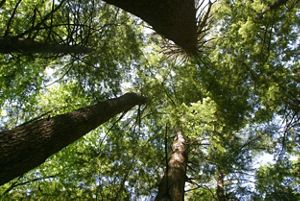
Before European settlement, New Hampshire was cloaked in mature forests of towering pines, hemlocks, and oaks. Today, Sheldrick Forest offers a rare glimpse of that primeval world. This 227-acre preserve shelters old-growth stands where white pines soar over 150 feet and hardwoods have stood for centuries. Beneath their cathedral-like canopy, glacial eskers snake through the forest, and mossy ravines cradle clear streams.

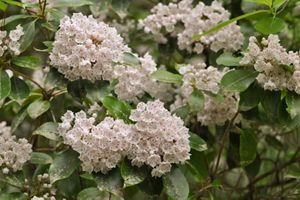
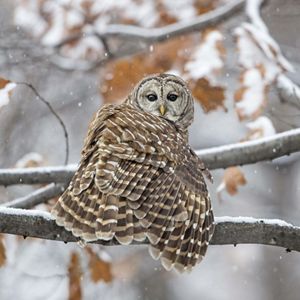
In June, mountain laurel bursts into bloom, creating a fairyland of pink and white blossoms. Wildlife thrives here—barred owls call from the shadows, scarlet tanagers flash through the leaves, and tracks of deer, fox, and bobcat mark the forest floor. This living museum of biodiversity is part of a larger 2,800-acre conservation mosaic, protecting habitat and offering a peaceful retreat for all seasons.

Access

OPEN TO THE PUBLIC

Sheldrick Forest is a delight for visitors in any season.

Hours

Dawk to dusk, daily.

Highlights

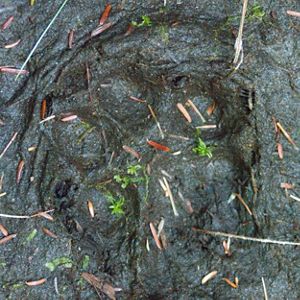
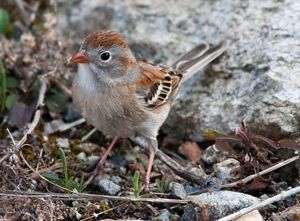
Barred owls can often be heard (and sometimes spotted) nesting in the trees in early spring. In winter, look for tracks left behind by white-tailed deer, red fox, bobcat, black bear and fisher. Many bird species, such as pileated woodpecker, saw whet owl, ovenbird, scarlet tanager, wood thrush and a variety of songbirds call the forest home throughout the spring and summer.

Size

227 acres

Explore our work in New Hampshire

Photos from Sheldrick Forest Preserve

From towering pines and hemlocks to delicate mountain laurel blossoms and winding glacial eskers, there is timeless beauty at Sheldrick Forest.

A gray and white owl on a branch in the snow.
A black bear pawprint in mud.
Looking up into a canopy of trees.
A purple flower on a dark background.
A young boy holding a stick reaches into a stream.
A small songbird standing on the ground.
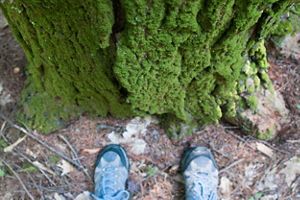
A tree covered in moss and two hiking boots.
A hand holding two acorns.
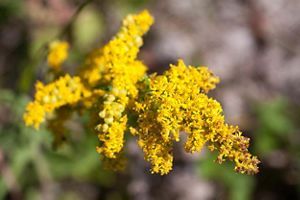
A cluster of yellow flowers.
Clusters of white flowers with green leaves.

Visit

    • Atlantic White Cedar Swamp: Walk the 200-foot boardwalk into one of New Hampshire’s largest and highest-quality Atlantic white cedar swamps. Look for sphagnum moss, black spruce, tamarack and rare wildflowers like rosebud azalea and bunchberry.
    • Glacial Erratics: Marvel at huge boulders left behind by retreating glaciers 15,000 years ago.
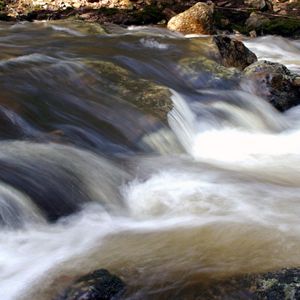
    • River Views & Wildlife: Follow the North Branch of the Contoocook River for chances to spot ebony jewelwing damselflies, mink, muskrat, river otter, beaver and a variety of birds including Louisiana waterthrush, veery and hermit thrush.
    • Historic Mill Remnants: Near the start of the trail, see the remains of the old Loverens Mill dam, foundation and sluiceway.
  • Loverens Trail:

    • Total distance: ~3.0 miles (loop).
    • Start at the parking area on Loverens Mill Road. Walk 0.25 miles along a wooded road to the preserve trailhead.
    • The trail passes through mixed forest (balsam fir, red spruce, white pine, red oak) and boreal habitats.
    • The Cedar Swamp boardwalk is 0.1 miles from the trailhead and extends 200 feet into the swamp. Please stay on the boardwalk to protect this fragile habitat.
    • After the boardwalk, the trail continues past glacial erratics and fragrant balsam, then splits at a junction. Bear left to reach the North Branch in 0.2 miles.
    • The trail follows the river and wetland edge for about 0.6 miles to an elevated point. A short spur leads to Lookout Point on the river’s edge, with winter views of Nancy Mountain and Lightning Hill.
    • Complete the loop (0.6 miles back to the start, then 0.4 miles to the trailhead). Watch for moose sign, wild turkey, deer, coyote, fisher, bobcat and black bear.
    • Parking: Small pull-out lot on Loveren Mill Road, just north of Route 9.
    • Trailhead: Follow the woods road 0.25 miles to the preserve entrance.
    • Difficulty: Easy to moderate; mostly gentle grades, some wet or rocky sections.
    • Best Seasons: Spring for wildflowers and azalea bloom; summer for damselflies and lush greenery; winter for open views.
    • What to Bring: Sturdy shoes, insect repellent, water and binoculars for wildlife viewing.
    • Accessibility: Boardwalk is flat but may be slippery when wet; rest of trail is natural surface.
    • Dogs: Dogs are not allowed at this preserve.
  • To minimize disturbance of the wildlife and habitat of this nature preserve and to support the enjoyment of all visitors, please follow these guidelines:

    • Pedestrian use only—no motorized vehicles, horses, ATVs or bikes.
    • Leave No Trace—please keep the preserve clean by carrying out your trash.
    • Respect the natural world around you! Do not remove or destroy plants, wildlife, minerals, rocks or cultural items.
    • No camping or open fires allowed.
    • Pets are not permitted; help us protect wildlife on the preserve and be respectful of other hikers by leaving your pets at home.
    • Other Power-Driven Mobility Devices (e.g., utility vehicles, Segways, golf carts, etc.) are prohibited at this preserve. 
A large tree with twisted roots.
Twisted Tree Some trees at Sheldrick Forest have been around for more than 200 years. © Rebecca Laflam

History

Bake Sales and Big Dreams: How a Community Saved Sheldrick Forest

The story of Sheldrick Forest’s protection is as inspiring as the forest itself. When the last Sheldrick family member passed away in 1994, the land was sold to a developer planning timber harvest and gravel mining. The future of this rare old-growth forest looked bleak—until local forester Swift Corwin sounded the alarm.

What happened next was extraordinary. A grassroots movement sprang to life, fueled by neighbors, schoolchildren, garden clubs, and local businesses. People organized bake sales, concerts, and community events to raise money. Children emptied piggy banks, and volunteers knocked on doors. Every dollar mattered, and the campaign became a rallying point for conservation across the region.

By April 1996, thanks to thousands of small acts of generosity and determination, The Nature Conservancy raised the funds to purchase the property. Sheldrick Forest was saved—not by one person or one organization alone, but by an entire community united to protect something irreplaceable.

Today, as you walk beneath towering pines and blooming mountain laurel, you’re experiencing more than a forest—you’re standing in the heart of a success story born from passion, perseverance, and the power of people working together.

Nearby Preserves

Need more nature? Visit The Nature Conservancy's other preserves.

Find More Places We Protect

The Nature Conservancy owns nearly 1,500 preserves covering more than 2.5 million acres across all 50 states. These lands protect wildlife and natural systems, serve as living laboratories for innovative science and connect people to the natural world.

See the Complete Map

Support Our Work

Your contributions help us continue our conservation work in New Hampshire.